Strings By Mail


Sales, Specials & Features

Are you a newsletter subscriber? If not, don't miss out. Check out our news and/or deals!
read now: Are you a newsletter subscriber? If not, don't miss out. Check out our news and/or deals! 
Shop our selection of fine, handmade concert instruments, available for purchase on 48 hour approval.
shop now: Shop our selection of fine, handmade concert instruments, available for purchase on 48 hour approval. 
Did you know SBM sells Alhambra Guitars? Classical guitars handcrafted in Spain since 1965.
shop now: Did you know SBM sells Alhambra Guitars? Classical guitars handcrafted in Spain since 1965. 
Sheet Music access for a lifetime. Browse over 2.2 MILLION arrangements!
shop now: Sheet Music access for a lifetime. Browse over 2.2 MILLION arrangements! 
$10.99
Gold Tone GMS12 12 String Mando-Guitar Strings Light, Full Set
Shop now: Gold Tone GMS12 12 String Mando-Guitar Strings Light, Full Set
$102.99
GUITARLIFT Guitar Support, Medium Plate, Professional
Shop now: GUITARLIFT Guitar Support, Medium Plate, Professional
$1,280.00
Visesnut Premiere 2 Adjustable Hard Classical Case, Metallic Taupe
Shop now: Visesnut Premiere 2 Adjustable Hard Classical Case, Metallic Taupe
$21.99
Knobloch Erithacus EDB 33.5 Bio-Nylon Medium Tension, Full Set
Shop now: Knobloch Erithacus EDB 33.5 Bio-Nylon Medium Tension, Full Set
$9.69
Hannabach PSP 8504HT - 4th string (D) High Tension
Shop now: Hannabach PSP 8504HT - 4th string (D) High Tension
$9.22
Nicola NIC-30 Light Phosphor Bronze Acoustic Strings 12-52
Shop now: Nicola NIC-30 Light Phosphor Bronze Acoustic Strings 12-52Popular Guitar Strings
Classical Guitar Strings
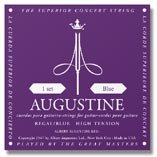
- Augustine Regal Blue
 $12.99
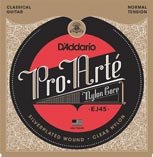
 - D'Addario EJ45$10.99
Acoustic Guitar Strings
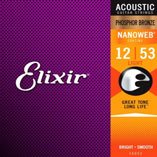
- Elixir Nanoweb PB$19.99
- John Pearse PB$8.49

How Do I Choose Acoustic Strings?
- Harder materials sound brighter (80/20)
- Softer materials sound warmer (Phosphor)
- Round core strings: traditional mellow sound
- Hex core strings: edgy modern sound
- Extra Light gauge: easier to play & lighter sound
- Light gauge: standard tension for most players
- Medium gauge: harder to play but louder sound
Electric Guitar Strings
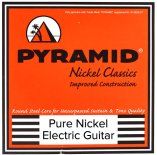
- Pyramid Pure Nickel$8.99
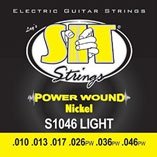
- SIT Power Wound$5.99
How Do I Choose Electric Strings?
- Harder materials sound brighter (stainless steel)
- Softer materials sound warmer (pure nickel)
- Magnetic metals increase sustain (high output)
- Round core strings: traditional mellow sound
- Hex core strings: edgy modern sound
- Industry Standard: Hex core Nickel plated .010
Guitar Strings
What were strings made of in the past?
Historically, strings were made of wound gut materials with the lower bass strings wound with various metals. There are several manufacturers still making strings in the historic methods today as well as many synthetic strings designed to replicate the sound and feel of traditional gut strings.
What are strings made of today?
Today, there are three primary guitar string categories: strings for classical/flamenco guitars (nylon, fluorocarbon and other synthetics with bass strings wound with various metals), strings for acoustic guitars (steel, bronze, phosphor bronze, nickel, etc.) and strings for electric guitars (steel, nickel and other metals chosen for electromagnetic properties).
What difference do strings make?
There are many technical factors which can influence your guitar string selection. The properties of the sound and response of a given string can have a strong impact on both the player and the instrument. The relative hardness of the string's component materials in conjunction with an array of treatments the strings undergo during the manufacturing process can combine to create different degrees of sustain, timbre (warmth vs brightness), playability, and longevity.
Here at Strings By Mail, we strive to have the best selection of strings at the best possible prices. That's why we are your online music store!
For more comprehensive information please visit our string basics pages:
Classical and Flamenco String Basics
Acoustic String Basics
Electric Strings Basics
SBM String Suggestions
Classical & Acoustic
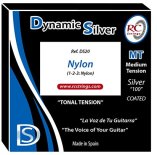
- RC Strings Dynamic Silver$23.40
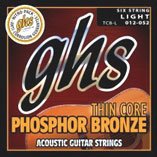
- GHS Thin Core 12-52$8.99
Electric & Bass
- Black Diamond Core-Bond$17.95
- Dogal Hellborg 35-102$74.99
Ukulele & Mandolin
- Worth Clear Carbon CT-LG$18.00
- GHS Silk & Steel 11-40$11.99
SBM News
Davisson Duo
SBM proudly showcases our latest sponsored artist, the Davisson Duo. Jack and Elle's exceptional artistry and extraordinary lyricism belie the fact that this brother sister duo are just teenagers.
String Filter Guide
With over 5,000 options for Classical, Acoustic, Electric and Bass guitar strings, we know browsing can be overwhelming. Utilize our string filter guide to help narrow down your exact needs.
SBM Video Page
The Strings By Mail video page is a collection of hundreds of lessons, performances, and other points of interest, created by our artists, staff, and friends for your enjoyment.